
TBM Laila breakthrough on the E6 Clean Water Tunnel project in Oslo
21/01/2026 - 14:31
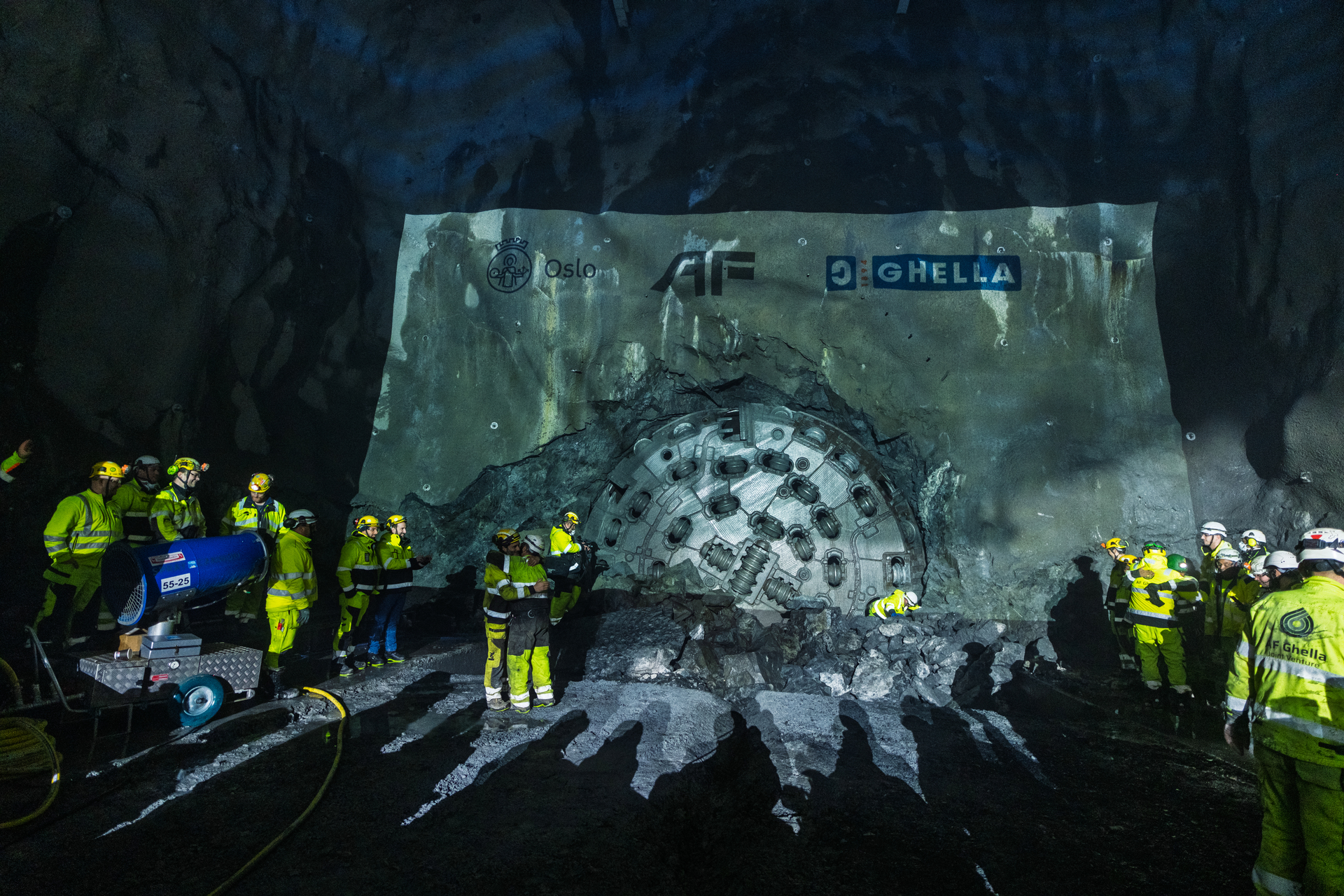
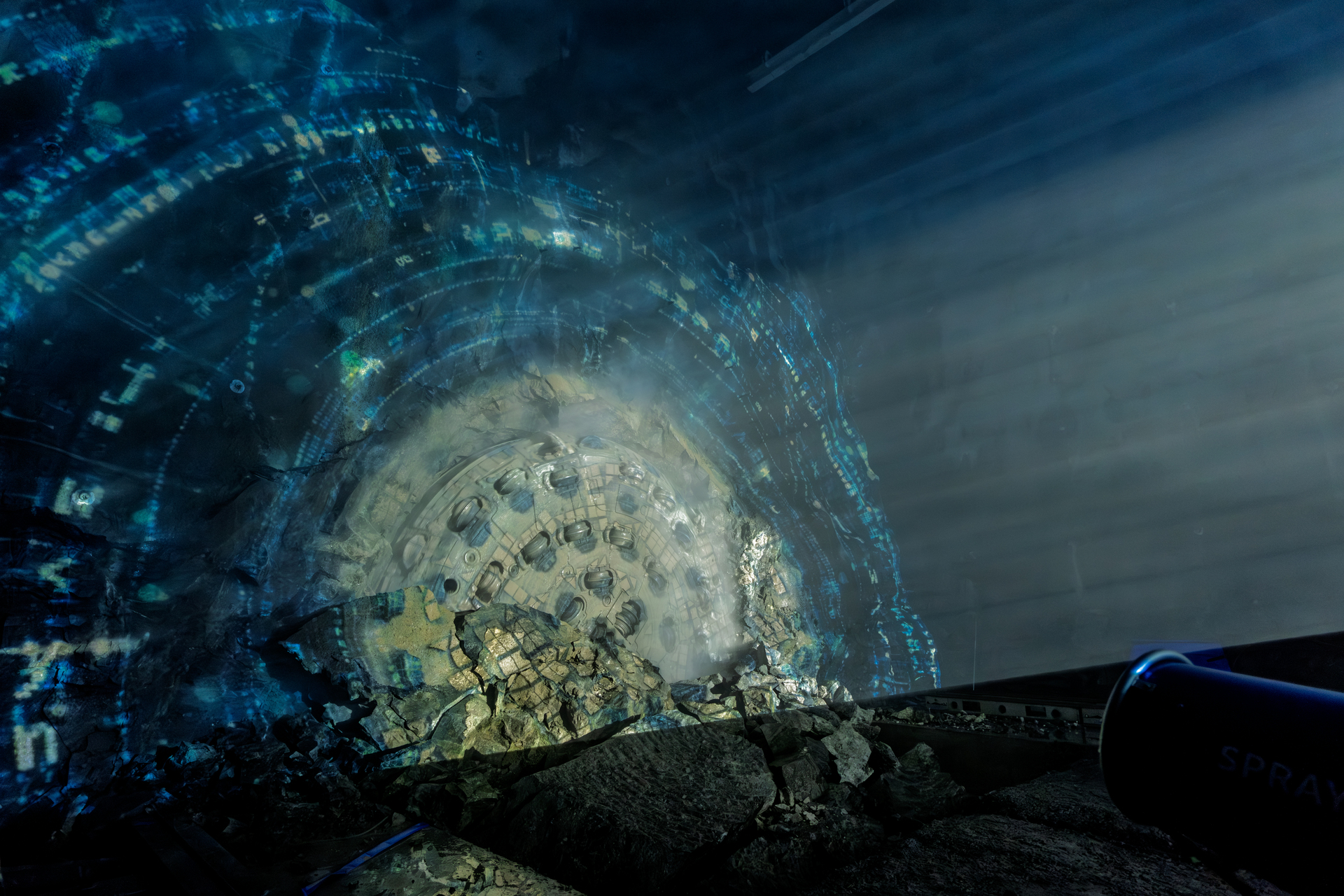
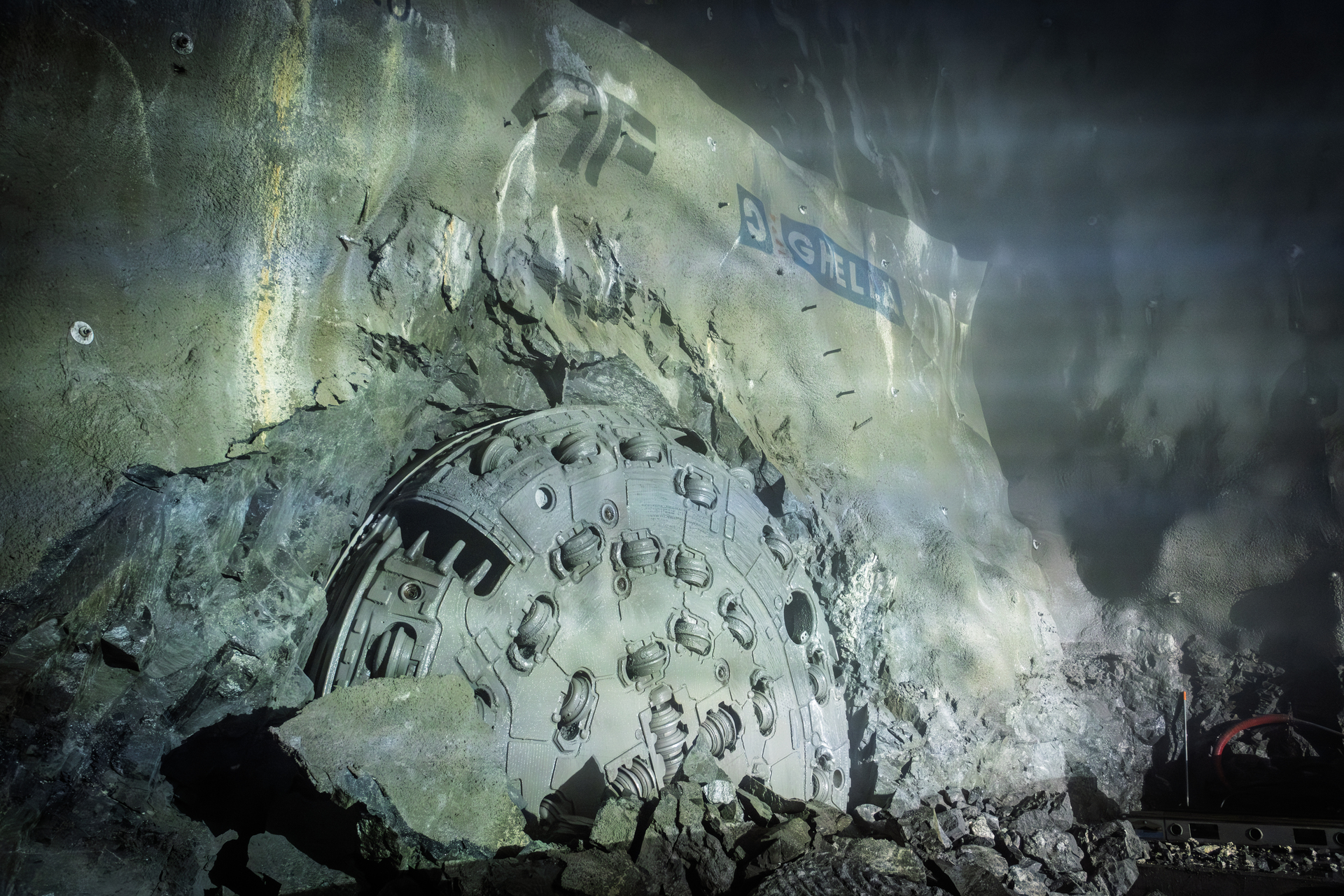
After an 11‑kilometre journey through the bedrock beneath Oslo, the tunnel boring machine “Laila” reached its destination on Tuesday.
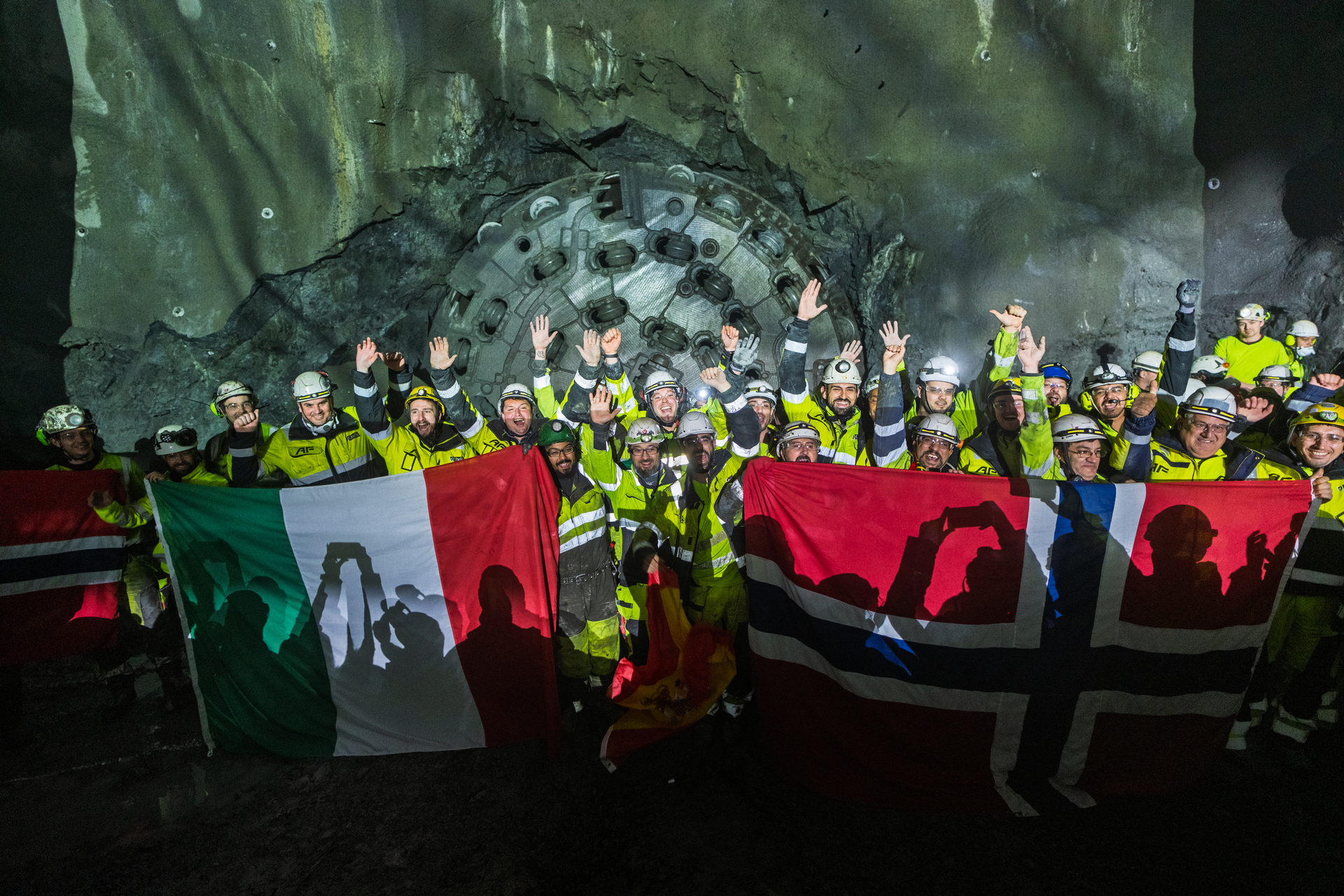
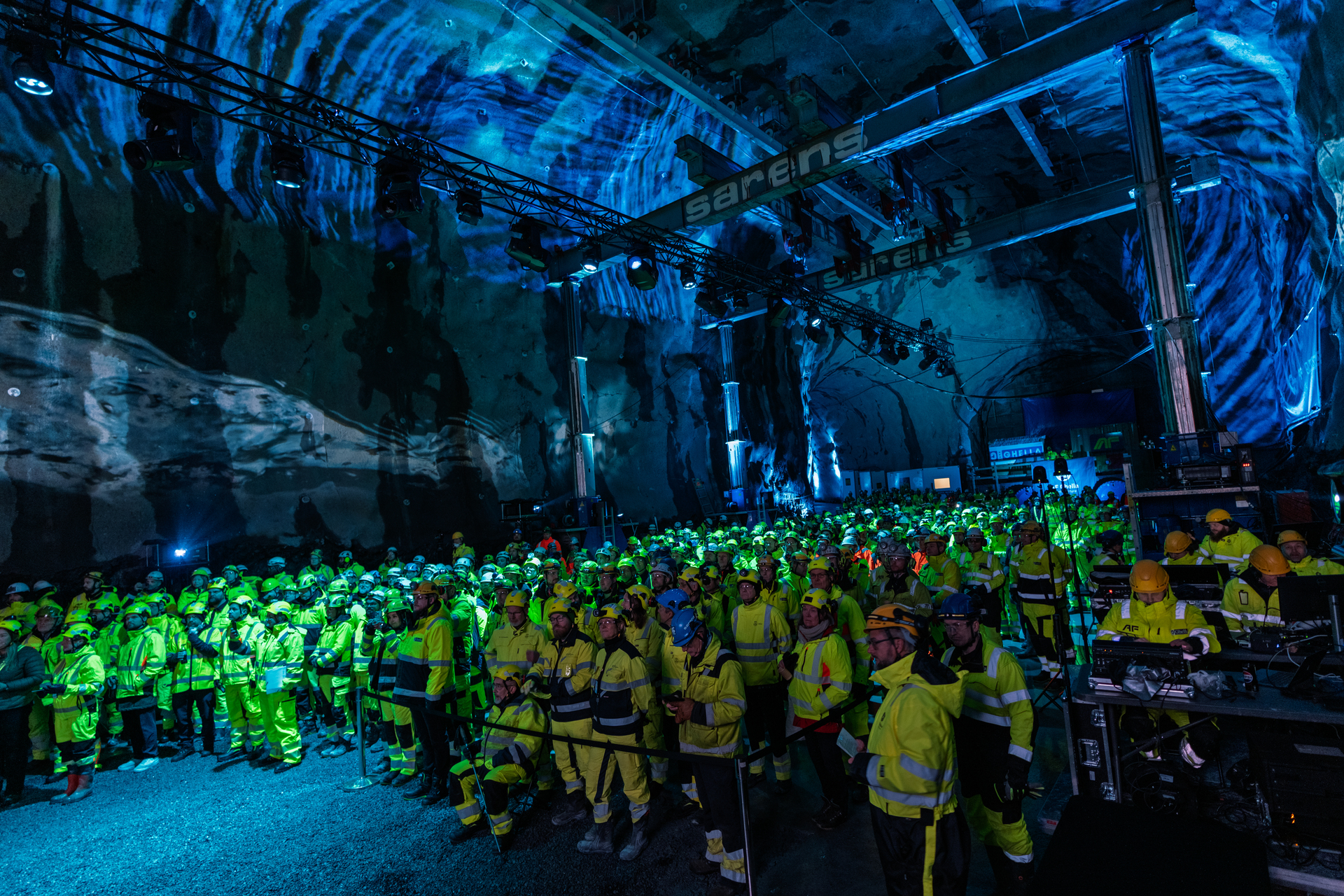
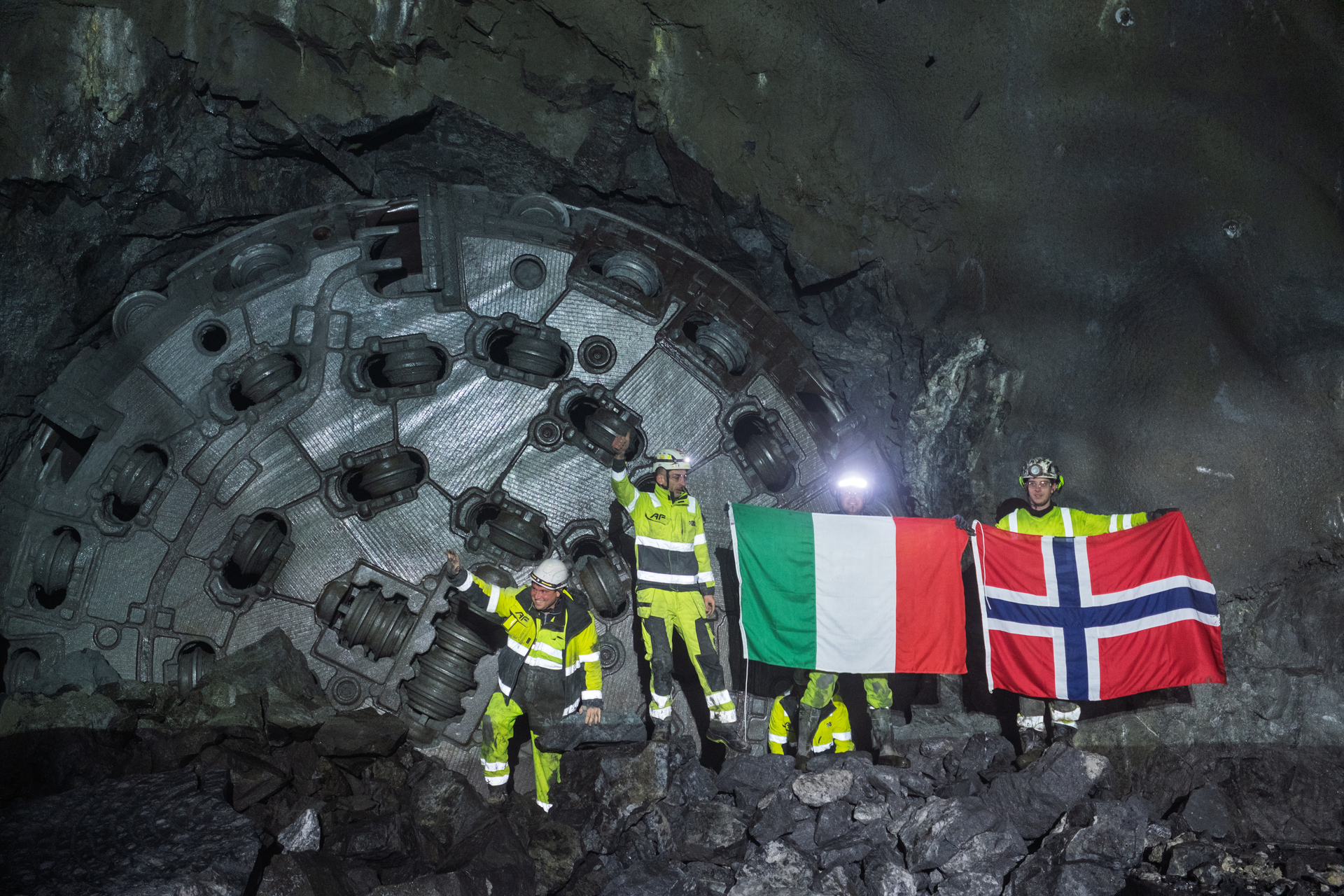
With around 300 guests present, the enormous machine bored through the final section of rock and emerged into a festively decorated cavern at Huseby. Workers stepped out of the machine carrying Norwegian, Italian and Portuguese flags, greeted by cheering colleagues offering hugs and congratulations. An important milestone in a major project had been reached.
The 11‑kilometre tunnel, now fully excavated, is a central part of Oslo’s new water supply system. Oslo Municipality, through the Water and Sewerage Authority, is the client for the project.
“All of the approximately 40 kilometres of tunnelling in the project have now been completed. We are very pleased that this complex tunnelling work has been carried out faster than planned, within budget, and most importantly without serious injury to people or the environment,” says Anna Maria Aursund, Director of the Water and Sewerage Authority.
Today, 90 percent of the city’s drinking water comes from Maridalsvannet. There is no backup water source capable of supplying the city’s residents if something should happen to the current supply.
The new water supply for Oslo sources water from Holsfjorden in Lier municipality and consists of several major sub‑projects. The most important are the tunnel from Holsfjorden to Huseby, a new water treatment plant, and a new main distribution pipeline through the city. Together, these elements form a complete backup water supply for the capital’s population.
A partnership consisting of AF Gruppen and the Italian company Ghella is delivering a turnkey project that will supply water to Oslo’s residents. Central to JV AF Ghella’s contract is the tunnel system, where pipes will be installed to transport drinking water from the Huseby water treatment plant into the city’s distribution network.
The contract includes an 11‑kilometre tunnel excavated using a tunnel boring machine and 7 kilometres of tunnel using traditional drilling and blasting methods. It also comprises pipe installation, technical installations, and the construction of clean‑water reservoirs and pumping stations.
The tunnel boring machine, which has drilled from Stubberud in the Alna district to Huseby, was put into operation in December 2023. It is tradition for tunnel boring machines to be christened and given a female name. Following a naming competition, the machine was named Laila, after the prominent Oslo resident and athlete Laila Schou Nilsen (1919–1998).
The tunnel boring machine is a 210‑metre‑long factory that simultaneously reinforces the rock, excavates, and installs lining segments as it progresses.
Along the way, the machine has removed 425,000 cubic metres of rock. The excavated material has been transported out of the tunnel on conveyor belts. All tunnelling operations have been 100 percent electric.
At the same time, concrete lining segments have been installed in the tunnel. Six segments form one ring measuring 1.8 metres in length. A total of 36,500 rings have been installed.
All transport of personnel, equipment, parts, tools, and concrete segments has taken place using electric work trains running between the tunnel boring machine and an underground cavern located 100 metres below ground at Stubberud.
Now that the tunnel boring machine has completed its assignment, it will be dismantled and transported out through the cavern at Huseby.
“We are proud to contribute to this socially important project. Ensuring drinking water for the city’s residents is an extremely important task that demands high standards of safety, productivity and innovation. This milestone is the result of excellent teamwork from everyone involved,” says Amund Tøftum, CEO of AF Gruppen.